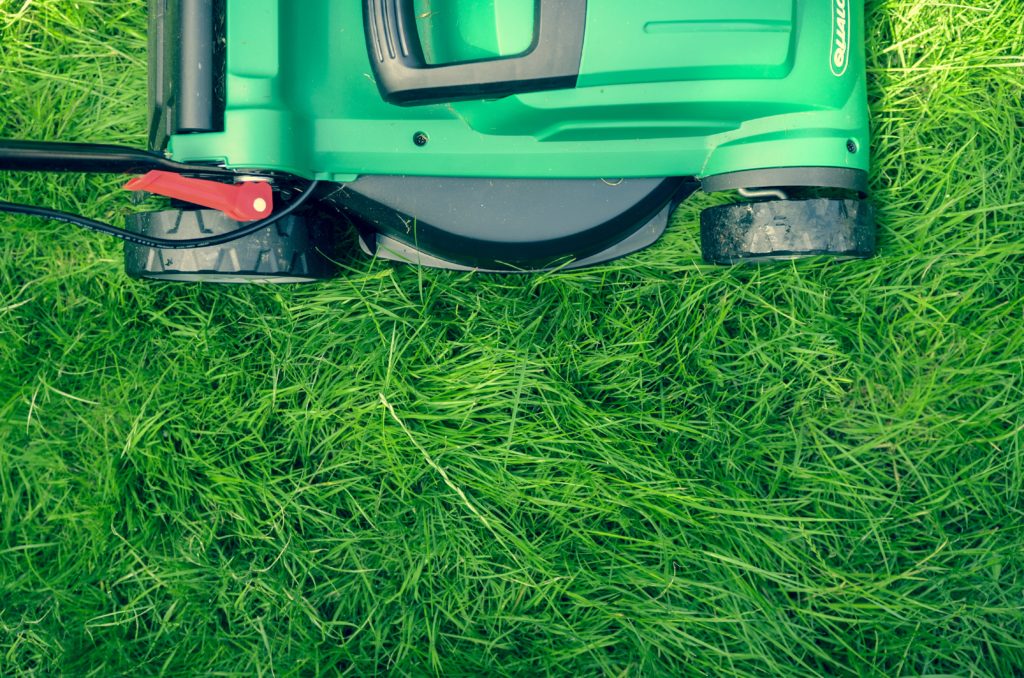
From the first frost thaw to the last crabgrass seed — everything you need for a beautiful season ahead.
Spring 2026 · Lake Geneva Area
TIMING MATTERS IN THE SPRING
Lake Geneva sits in USDA Hardiness Zone 5b, where last frost dates typically occur between late April and early May. Spring soil temperatures rise slowly after winter, so patience — and careful timing — separates a thriving lawn from a frustrating one.
1. Start with a soil assessment
If you’ve never fertilized your lawn or don’t know where to start, the local University of Wisconsin Extension office offers affordable kits, and the results will tell you exactly what nutrients your lawn and garden beds lack after a long Wisconsin winter. Most Lake Geneva soils benefit from a light lime application every two to three years to correct acidity brought on by our abundant rainfall and snowmelt.
With results in hand, you can choose a starter fertilizer matched to your actual deficiencies — not just a one-size-fits-all product. If you’d still like help coming up with a care plan for your spring lawn and garden, RTH Property Management can provide expert insight on how to make your lawn pop this spring.
2. Clean up before you green up
Spring cleanup in the Lake Geneva area usually begins in late March or early April, depending on the year. Rake out accumulated leaves and debris from lawn areas and garden beds. Matted organic matter left in place blocks light and air, inviting fungal disease just as your grass tries to wake up. Cut back ornamental grasses and perennial stalks to about four inches above the ground, and remove any winter-killed branches from shrubs.
Timing tip
Wait until your lawn is dry enough that walking across it doesn’t leave deep footprints. Compaction from early foot traffic when soils are still saturated can set your grass back significantly.
3. The forsythia signal: your crabgrass prevention window
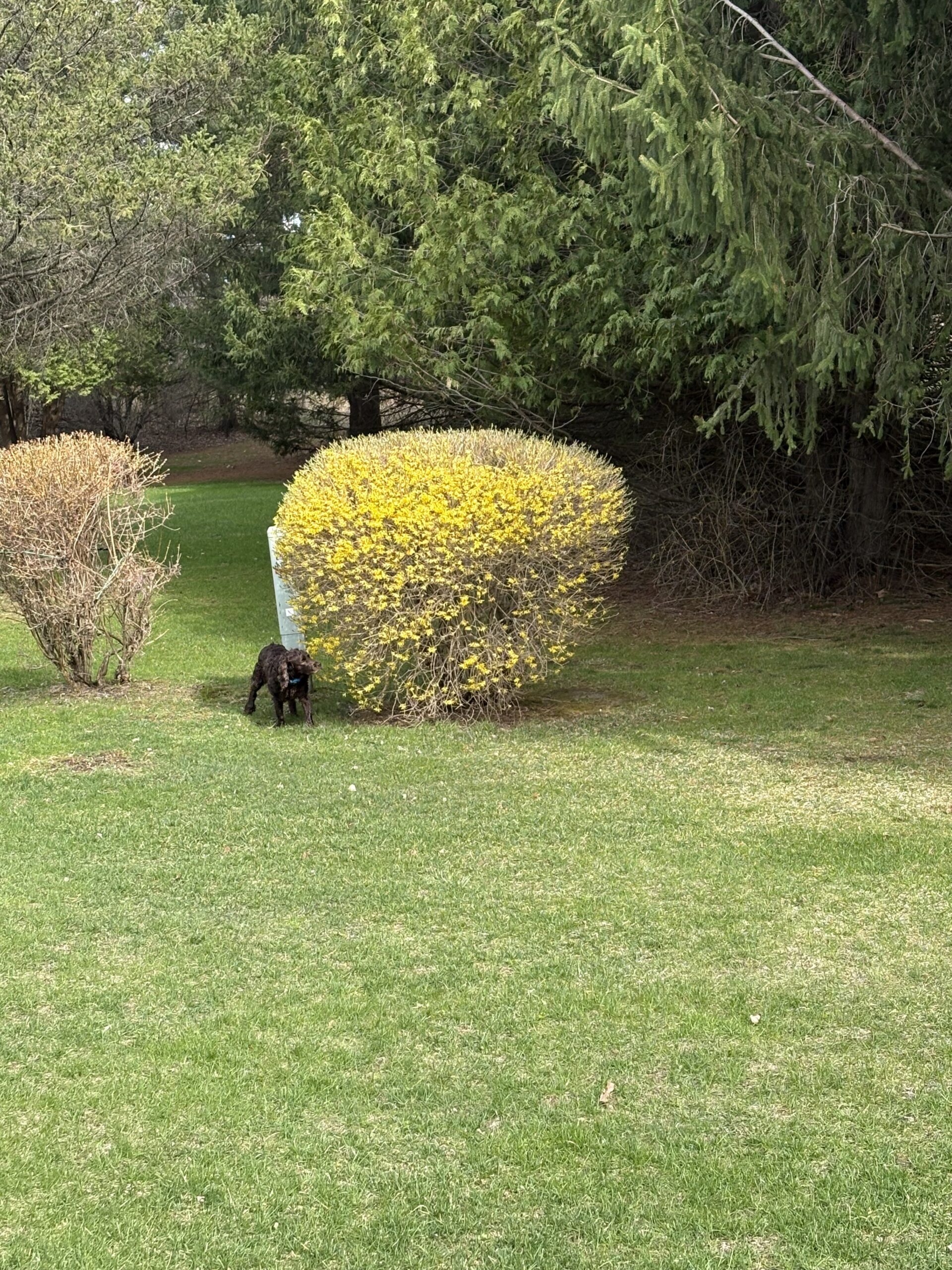
Here is one of the most practical pieces of advice any Lake Geneva gardener can keep in their back pocket. You don’t need a soil thermometer or a weather app to know when to apply your pre-emergent crabgrass preventer — watch your forsythia.
NATURE’S PRE-EMERGENT REMINDER
When the bright yellow blooms of forsythia bushes begin to open, soil temperatures have typically reached the 50–55°F range — the exact threshold at which crabgrass seeds start to germinate. This is your cue to apply a pre-emergent herbicide to your lawn right away. Don’t wait until forsythia is in full bloom; the moment you see the first flowers opening, grab your spreader and get to work.
Pre-emergent herbicides work by creating a chemical barrier in the top layer of soil that prevents crabgrass seeds from germinating. They do not kill existing plants, and they need to be watered in after application — either by irrigation or natural rainfall. Look for products containing pendimethalin, prodiamine, or dithiopyr, all of which are widely available at local garden centers around Lake Geneva.
One important note: if you plan to overseed thin or bare patches of lawn this spring, pre-emergent herbicides will also prevent desirable grass seed from germinating. In those areas, either skip the pre-emergent and apply it next year after the new grass is established, or use a product like siduron, which is labeled for use around newly seeded Kentucky bluegrass and other cool-season grasses.
4. Aerate and overseed where needed
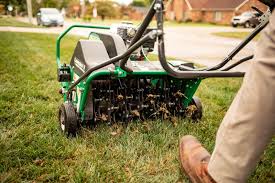
Lake Geneva lawns that receive heavy foot traffic or that have clay-heavy soils benefit enormously from core aeration in the spring. Aeration pulls small plugs of soil from the lawn, loosening compaction and allowing water, air, and nutrients to reach grass roots more effectively. If your lawn has areas that puddle after rainfall or feels springy underfoot — a sign of thatch buildup — aeration is especially worthwhile.
After aerating, overseed thin areas with a quality cool-season mix suited to our region. Kentucky bluegrass, perennial ryegrass, and fine fescues are all excellent performers in Walworth County. Aim to have overseeding done by mid-May to give seedlings time to establish before summer heat arrives.
5. Garden bed preparation
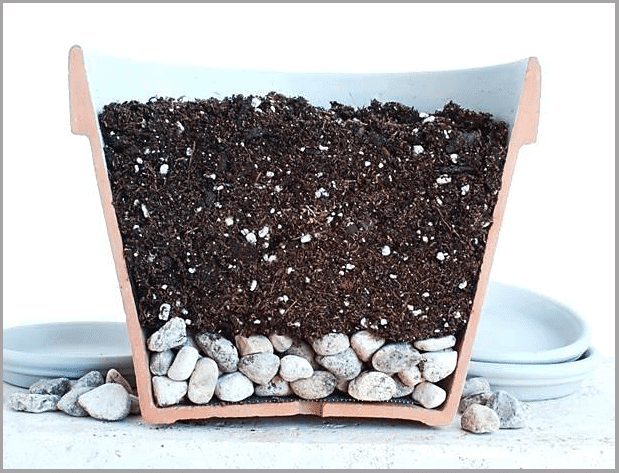
Work compost or well-aged manure into your garden beds as soon as the soil is workable — typically late April in the Lake Geneva area. A two-to-three-inch top dressing worked into the top eight inches of soil dramatically improves drainage, moisture retention, and microbial activity. Perennials that die back in winter, such as hostas, daylilies, and coneflowers, can be divided at this time if they’ve become overcrowded — splitting them every three to four years keeps plants vigorous and flowering well.
Mulching tip
Hold off on applying fresh mulch to beds until the soil has had a chance to warm up. Mulching too early can insulate cold soil and slow plant emergence. Mid-May is usually the right window for Lake Geneva. Apply two to three inches and keep it a few inches away from plant stems to prevent rot.
6. Trees and shrubs
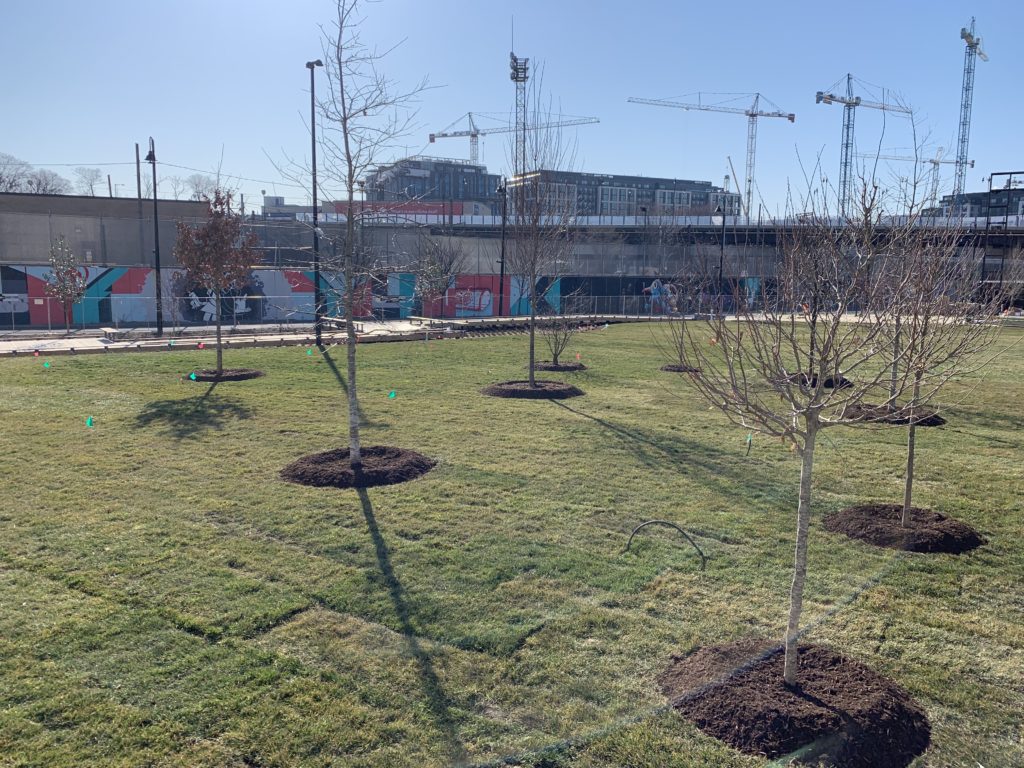
Early spring — before leaf buds break — is the ideal time to prune most deciduous trees and shrubs in our area. You’ll have a clear view of the branch structure, and fresh cuts can begin to seal before insects become active. The main exceptions are spring-blooming shrubs like lilacs and forsythia itself: prune those after they finish flowering, not before, or you’ll remove this year’s blooms.
Apply a slow-release granular fertilizer around the drip lines of trees and shrubs in early May. Avoid the common mistake of piling fertilizer directly against the trunk — spread it out to match the spread of the canopy above.
7. Watch for late frosts
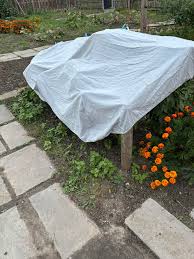
Lake Geneva’s proximity to Lake Michigan can moderate temperatures somewhat, but we are still susceptible to late-season frost events well into May. Keep an eye on the forecast before setting out any tender annuals or warm-season vegetables. A frost cloth or old bedsheet kept close at hand can save a flat of impatiens or a tray of tomato starts on a cold night.
Spring landscaping in Lake Geneva is less about following a rigid calendar and more about reading the land around you. When the robins return, when the forsythia blazes yellow along the fence line, when the soil finally stops heaving — these are the signals that have guided good gardeners here for generations.
If a green thumb or spring clean up isn’t part of your plan, RTH Property Management is here to help your home and lawn thrive all summer lawn.
So get out the pier furniture, get out the umbrellas, and sit back and relax…..
We’ll take care of everything!
Until next time,
RTH Property Management